
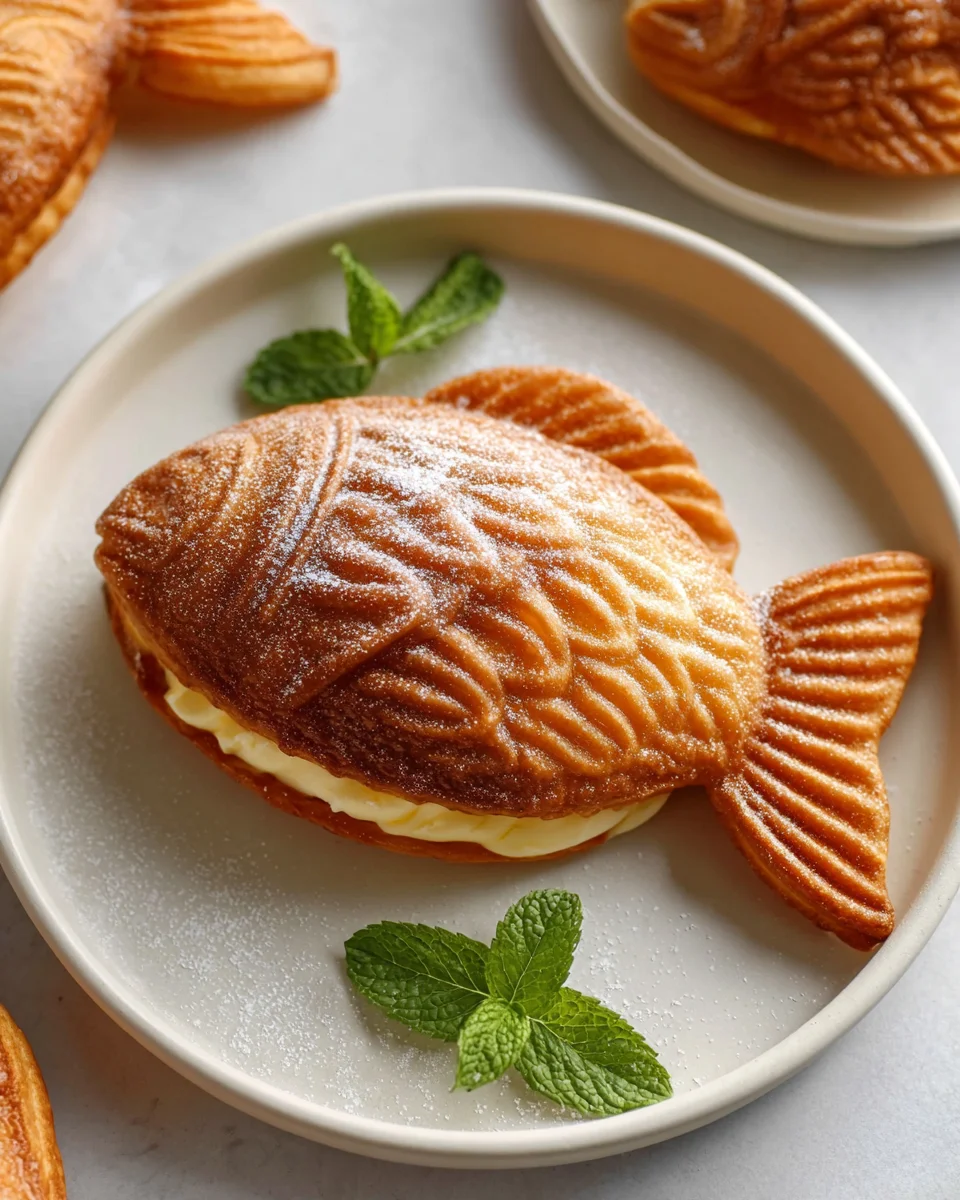
Taiyaki, the charming fish-shaped cake, is more than just a sweet treat; it’s an edible icon of Japanese street food culture that has captivated palates worldwide. Perhaps you’ve seen its distinctive golden-brown form, hinting at the warm, sweet treasure nestled within, and wondered about its magic. Today, I’m thrilled to guide you through making this delightful confection right in your own kitchen, bringing a piece of this culinary joy straight to your home.
A Glimpse into Taiyaki’s Rich History and Cultural Roots
Dating back to the Meiji era in Japan, Taiyaki evolved from another traditional Japanese snack called Imagawayaki, which is a round pancake-like cake. Bakers decided to mold their treats into the auspicious shape of a “tai” (sea bream) – a fish considered a symbol of good luck and prosperity in Japan. This clever innovation quickly made it a beloved street food, cherished not just for its unique appearance but also for the comforting taste it offers. It’s not just food; it’s a bite of history and culture that locals and visitors alike adore.
Why Everyone Falls for This Iconic Fish-Shaped Treat
What makes people adore Taiyaki so much? It’s an irresistible combination of textures and flavors that creates a truly memorable experience. Imagine a perfectly crisp, golden exterior giving way to a fluffy, tender batter that encases a generous filling – most traditionally, sweet azuki red bean paste (anko). However, its versatility is endless, with fillings ranging from creamy custard and rich chocolate to savory options like cheese or even curry. It’s a comforting, portable snack that brings a smile to anyone’s face, perfect for a cozy afternoon or a delightful dessert, providing warmth and happiness with every bite.

Ingredients:
- For the Taiyaki Batter:
- 1 ½ cups (190g) all-purpose flour. I sometimes like to use a blend of 1 cup all-purpose and ½ cup cake flour for an even more tender crumb, but all-purpose works beautifully on its own.
- ¼ cup (50g) granulated sugar. This gives our Taiyaki that perfect touch of sweetness, complementing the filling without overpowering it.
- 2 teaspoons baking powder. This is crucial for achieving that lovely, light, and airy texture that makes Taiyaki so delightful.
- ½ teaspoon salt. A tiny pinch of salt always helps to balance the flavors and enhance the sweetness.
- 1 large egg. Make sure it’s at room temperature for better incorporation into the batter.
- 1 cup (240ml) milk. Any kind of milk works here, whether it’s whole milk for richness or a non-dairy alternative.
- 2 tablespoons neutral oil (such as vegetable or canola oil). This contributes to a tender interior and helps the Taiyaki release easily from the mold.
- 1 teaspoon vanilla extract (optional, but highly recommended). A touch of vanilla adds a wonderful aroma and depth of flavor to the batter.
- For the Fillings:
- 1 cup (approximately 250g) sweetened red bean paste (anko). This is the classic, quintessential Taiyaki filling and truly a must-try. You can buy it pre-made or prepare your own.
- Optional Fillings (for variety):
- Nutella or chocolate spread.
- Custard cream or pastry cream.
- Cream cheese, perhaps with a touch of jam.
- Sweet potato paste.
- Matcha cream.
- Even savory options like cheese or curry can be fun!
- For Greasing the Taiyaki Maker:
- A small amount of neutral oil or cooking spray.
Preparing the Taiyaki Batter
Making the perfect Taiyaki batter is a straightforward process, but paying attention to the details will ensure you get that wonderfully crispy exterior and soft, fluffy interior we all love. This batter needs a little rest, so it’s a great idea to prepare it first.
- Combine Dry Ingredients: In a large mixing bowl, I like to start by whisking together the all-purpose flour (or your flour blend), granulated sugar, baking powder, and salt. Whisk them really well for about 30 seconds to a minute. This step is important because it ensures that the baking powder and salt are evenly distributed throughout the flour, which will lead to a uniform rise and flavor in our Taiyaki. You don’t want a bite of Taiyaki that’s overly salty or doesn’t rise properly in one spot!
- Combine Wet Ingredients: In a separate, medium-sized bowl, I’ll crack the large egg and give it a quick whisk. Then, I’ll pour in the milk, neutral oil, and if I’m using it, the vanilla extract. Whisk these wet ingredients together until they are fully combined and look homogenous.
- Combine Wet and Dry: Now comes the gentle art of combining. I pour the wet ingredients into the bowl with the dry ingredients. Using a whisk, I mix them until they are just combined. The key here is not to overmix! A few lumps are perfectly fine and even desirable. Overmixing develops the gluten in the flour too much, which can result in tough, chewy Taiyaki, and we’re aiming for light and tender. Mix only until there are no large pockets of dry flour visible. The batter should be thick but pourable.
- Rest the Batter: Once the batter is mixed, cover the bowl with plastic wrap or a clean kitchen towel. I then let it rest at room temperature for at least 20-30 minutes, or even up to an hour. This resting period is crucial for several reasons: it allows the flour to fully hydrate, which creates a more tender crumb, and it gives the gluten a chance to relax, further preventing toughness. It also lets the baking powder start working its magic, giving your Taiyaki a better rise. If you’re planning ahead, you can even store the batter in the refrigerator for up to 24 hours; just bring it back to room temperature before using.
Preparing the Taiyaki Fillings
While the batter rests, it’s the perfect time to get your fillings ready. The classic Taiyaki is undoubtedly filled with sweet red bean paste (anko), and it’s always my go-to, but feel free to experiment with other delightful options!
- Red Bean Paste (Anko): If you’re using pre-made anko, you’re pretty much ready to go. I find it easiest to work with if I portion it out a little first. Using a small spoon or even my hands (if clean!), I’ll roll the anko into small, oblong shapes or balls, roughly 1 to 1.5 tablespoons each. The exact size will depend on the depth of your Taiyaki maker’s molds, so you might need to do a little test run. Having them pre-portioned makes the assembly process much faster and cleaner.
- Other Fillings:
- Custard Cream: If you’re making your own, ensure it’s completely cooled and has a thick consistency. You can pipe it into the molds or spoon it.
- Nutella/Chocolate Spread: Spoon directly into the molds. You can even add a few mini chocolate chips for extra meltiness!
- Cream Cheese: Soften it slightly and mix with a touch of sugar or fruit preserves if desired.
- Sweet Potato Paste: Similar to anko, pre-portioning into small balls will make your life easier.
A little tip here: Regardless of the filling, ensure it’s not too watery, as this can make your Taiyaki soggy and harder to cook through. Also, make sure it’s not overly hot, as this can start cooking the batter prematurely.
Cooking the Taiyaki
This is where the magic happens! Cooking Taiyaki requires a dedicated Taiyaki maker. Whether you have an electric countertop model or a stovetop version, the general principles remain the same. Safety first – these machines get very hot!
- Preheat the Taiyaki Maker: Turn on your Taiyaki maker (or place your stovetop maker over medium heat). Let it preheat for about 5-10 minutes. It’s crucial that the maker is adequately hot before you start pouring batter. A good indicator for stovetop versions is when you can feel significant heat radiating from it, or if a drop of water sizzles instantly. For electric ones, often an indicator light will tell you when it’s ready.
- Lightly Grease the Molds: Using a pastry brush or a crumpled paper towel dipped in a little neutral oil, lightly grease both sides of the Taiyaki molds. Don’t drench it, just a thin, even layer. Even non-stick makers benefit from this to ensure a beautiful golden-brown crust and easy release. Repeat this step every few batches, or if you notice sticking.
- Pour the First Layer of Batter: With your Taiyaki maker open, carefully pour about 1-2 tablespoons of batter into each fish-shaped mold. You want enough batter to cover the bottom of the mold completely and create a thin base, but not so much that it spills over when you add the filling. Use the back of a spoon to gently spread the batter if needed, ensuring it reaches all the edges of the fish mold, including the fins and tail. This initial layer forms the bottom half of your Taiyaki.
- Add the Filling: Immediately after pouring the batter, place your chosen filling in the center of the batter-filled mold. If using red bean paste, place one of your pre-portioned oblong pieces. For softer fillings like Nutella or custard, a spoonful in the center is perfect. Don’t overfill! This is one of the most common mistakes. Too much filling will ooze out, make a mess, and potentially prevent your Taiyaki from sealing properly. Leave a small border of batter around the edges.
- Pour the Second Layer of Batter: Now, gently pour another tablespoon or so of batter over the filling, ensuring it covers the filling completely and connects with the batter on the bottom layer. Again, spread gently if necessary. You want to make sure the entire top surface of the Taiyaki is covered.
- Close and Cook: Carefully close the Taiyaki maker. If using a stovetop maker, you’ll likely need to flip it over every 1-2 minutes. For electric models, simply close the lid. The Taiyaki will cook for approximately 3-6 minutes in total, depending on your machine’s heat and how crispy you like your Taiyaki.
What to look for during cooking:
- Steam: You’ll see steam escaping from the sides of the maker, which indicates cooking is happening.
- Smell: A wonderful, sweet aroma will start filling your kitchen.
- Color: After a few minutes, gently lift the lid (or open the maker) to check the color. You’re looking for a beautiful, golden-brown crust. If it’s too pale, close and continue cooking for another minute or so. If it’s getting too dark, your heat might be too high.
- Remove the Taiyaki: Once your Taiyaki are a perfect golden-brown on both sides and feel firm to the touch, they are ready! Carefully open the maker and use a wooden skewer or a pair of tongs to lift the Taiyaki out. Be gentle not to scratch the non-stick surface of your maker. Sometimes, there might be a little excess batter that has cooked around the edges (called “Taiyaki ears”); you can carefully trim these off with kitchen shears if desired, but many people enjoy them!
- Repeat: Place the finished Taiyaki on a wire rack to cool slightly while you continue making the remaining batches. Cooling on a wire rack helps prevent the bottom from becoming soggy.
Serving and Storage
The best part about making Taiyaki at home is enjoying them fresh and warm!
- Serving: Taiyaki are absolutely at their peak when served warm, straight from the maker. The exterior is wonderfully crisp, and the filling is delightfully warm and sometimes gooey. While delicious on their own, some people enjoy them with a dusting of powdered sugar, a scoop of vanilla ice cream, or a drizzle of chocolate sauce. A warm Taiyaki with a cup of green tea is a truly comforting treat.
- Storage: If you happen to have any leftover Taiyaki (a rare occurrence in my house!), they can be stored at room temperature in an airtight container for up to 1 day. For longer storage, you can keep them in the refrigerator for up to 3 days.
- Reheating: To bring refrigerated Taiyaki back to life, I highly recommend reheating them to restore some of that lovely crispness.
- Toaster Oven: My preferred method! Place them directly in a toaster oven at 300°F (150°C) for about 5-7 minutes, or until warmed through and crispy.
- Oven: Similarly, you can warm them in a conventional oven at 300°F (150°C) for about 8-10 minutes.
- Microwave (least recommended for crispness): You can microwave them for 20-30 seconds if you’re in a hurry, but they won’t have the crisp exterior. They will be soft.
Enjoy creating your delicious homemade Taiyaki! It’s such a fun and rewarding process, and the aroma filling your kitchen will be absolutely delightful.
Conclusion:
If there’s one recipe I truly believe everyone should add to their culinary repertoire, it’s this one. I’ve poured my heart into sharing the secrets to achieving perfection, and I genuinely feel that the joy you’ll experience from creating these delightful treats will be immense. This isn’t just another snack; it’s an experience, a little piece of edible happiness that brings smiles to faces young and old. The simplicity of the ingredients belies the incredible depth of flavor and texture you’ll achieve – a crispy, golden exterior giving way to a soft, fluffy interior, embracing a warm, comforting filling. It’s a recipe that promises not just a delicious result, but also a wonderfully satisfying journey in the kitchen. I promise you, making this recipe is far more rewarding and accessible than you might imagine, and the results are absolutely worth every minute of your effort.
The versatility of these treats is truly astounding, making them suitable for almost any occasion. While they are, of course, absolutely phenomenal fresh off the griddle, perhaps with a dusting of powdered sugar or a drizzle of your favorite syrup, don’t stop there! For a truly decadent experience, try serving them alongside a scoop of vanilla bean ice cream, allowing the warmth of the pastry to gently melt the ice cream, creating a delightful contrast. They also pair beautifully with a strong cup of coffee in the morning or a soothing mug of green tea in the afternoon. For a fun twist, consider filling them with something a little unexpected. While the classic red bean paste is undeniably a winner, I’ve had fantastic success with Nutella, creamy custard, or even a mix of softened cream cheese and a fruit jam. Imagine the possibilities for seasonal variations – pumpkin spice filling for autumn, or a bright lemon curd for spring! Don’t be afraid to experiment with finely chopped fruit, like strawberries or blueberries, mixed into your chosen filling for a burst of freshness.
You could even venture into savory territory, although that’s a whole new adventure for another day! For now, focus on mastering the sweet renditions, which are incredibly adaptable. Consider offering a platter of these with various dipping sauces at your next gathering – a simple chocolate ganache, a caramel sauce, or even a light fruit coulis. They make for an incredibly impressive yet surprisingly simple dessert or a delightful, portable snack for picnics or lunchboxes. You could also try making miniature versions for party appetizers, using smaller molds if you have them. Chilled, they retain their delightful texture and make a wonderful treat on a warm day, proving their incredible adaptability.
Now, it’s your turn. I’ve laid out all the steps, shared my best tips, and highlighted why this recipe is a true gem. There’s nothing left but for you to roll up your sleeves and dive in. Don’t be intimidated; cooking should always be an adventure, and this particular one is filled with delicious discoveries. Whether you’re a seasoned baker or just starting your culinary journey, I am confident that you will find immense pleasure in bringing these treats to life. And once you do, please, please share your triumphs with me! I absolutely adore seeing your creations, your personal touches, and hearing about your experiences in the kitchen. Did you try a new filling? Was there a funny moment during the process? Your stories inspire me and our whole community of food lovers. The joy of cooking truly multiplies when we share it. So go on, give this recipe a try, embrace the delicious challenge, and let’s celebrate the wonderful world of homemade deliciousness together! This truly unique and delicious Taiyaki experience awaits you.
Homemade Taiyaki
Master the art of making Taiyaki, the beloved fish-shaped Japanese street food, right in your own kitchen. This recipe guides you to create charming golden-brown cakes with a fluffy interior and your favorite sweet or savory fillings.
Ingredients
Instructions
Important Information
Nutrition Facts (Per Serving)
It is important to consider this information as approximate and not to use it as definitive health advice.
Allergy Information
Please check ingredients for potential allergens and consult a health professional if in doubt.


Leave a Comment