
Korean Beef Noodles An Incredible Ultimate Recipe
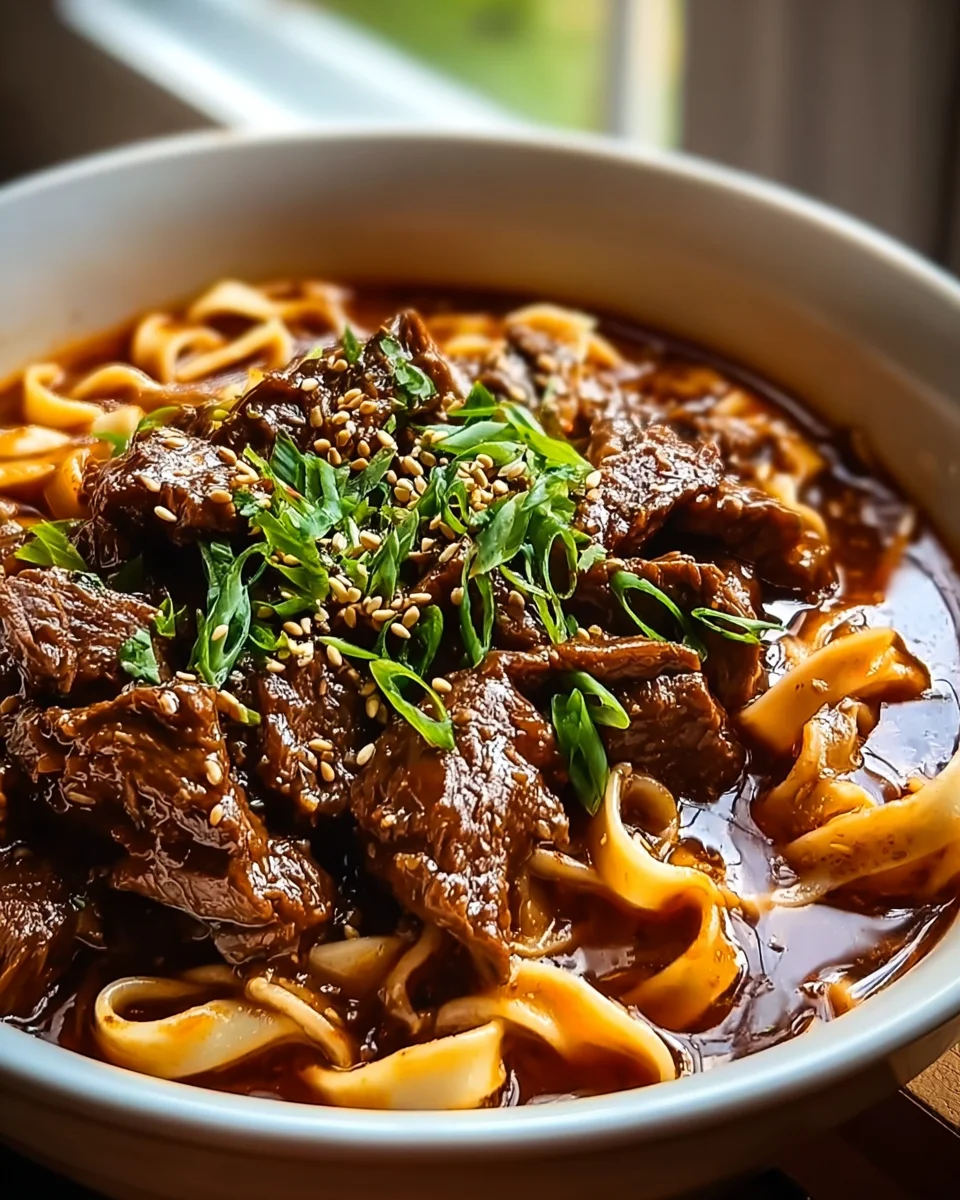
Welcome to my kitchen! Today, I’m excited to share with you my beloved dish, Korean Beef Noodles An Incredible Ultimate Recipe. This recipe is a delightful fusion of savory marinated beef, chewy noodles, and vibrant vegetables, all brought together with the perfect balance of sweet and spicy flavors. What makes this dish truly special is the combination of tender beef, which is marinated in a delicious blend of soy sauce, garlic, and sesame oil, ensuring every bite is packed with mouthwatering goodness.
Why will you love it? Well, not only is this recipe incredibly satisfying, but it also comes together in a flash, making it perfect for busy weeknights or when you’re entertaining friends. The noodles soak up all the delicious sauce, creating a comforting bowl of goodness that will have everyone coming back for seconds. Plus, it’s versatile! You can easily customize the recipe with your favorite veggies or adjust the spice level to suit your taste buds.
So, grab your apron and let’s dive into this culinary adventure together! I promise you, once you try Korean Beef Noodles An Incredible Ultimate Recipe, it will quickly become a staple in your home. Let’s get cooking!

Ingredient Notes
For my Korean Beef Noodles, I like to keep the ingredient list simple yet packed with flavor. Here’s what you’ll need:
- Beef: I prefer flank steak or sirloin for its tenderness and rich flavor. If you want a leaner option, you could use top round.
- Noodles: I typically use Korean wheat noodles (also known as Kuy Teav), but you can substitute with rice noodles or even udon for a different texture.
- Vegetables: Fresh vegetables like spinach, carrots, and bell peppers add color and crunch. Feel free to swap in your favorite veggies, such as broccoli or snap peas.
- Gochujang: This spicy Korean chili paste is essential for that authentic flavor. If you need a milder option, mix some red pepper flakes with a bit of soy sauce.
- Soy Sauce: I use low-sodium soy sauce to control the saltiness, but regular soy sauce or tamari (for a gluten-free option) works well too.
- Sesame Oil: This adds a nutty aroma. If you don’t have it, you can use olive oil, but it will change the flavor profile slightly.
- Garlic and Ginger: Freshly minced garlic and ginger elevate the dish. If you’re short on time, you can use pre-minced versions.
- Scallions: These are perfect for garnish, but if you don’t have them, you can use chives or omit them entirely.
Step-by-Step Instructions
Now, let’s dive into the cooking process for my Korean Beef Noodles. It’s easier than you think!
- Marinate the Beef: In a bowl, combine 2 tablespoons of soy sauce, 1 tablespoon of gochujang, a teaspoon of minced garlic, and a teaspoon of minced ginger. Slice the beef thinly against the grain and toss it in the marinade. Let it sit for at least 30 minutes to absorb those flavors.
- Cook the Noodles: While the beef is marinating, cook the noodles according to the package instructions. Drain and rinse under cold water to stop the cooking process. Set aside.
- Sauté the Vegetables: In a large pan or wok, heat 2 tablespoons of sesame oil over medium-high heat. Add thinly sliced carrots and bell peppers, stir-frying for about 3-4 minutes until they’re slightly tender.
- Cook the Beef: Push the vegetables to the side of the pan and add the marinated beef. Stir-fry for about 5-6 minutes until the beef is cooked through and browned.
- Add Garlic and Ginger: Add the remaining minced garlic and ginger to the pan, stirring for an additional minute until fragrant.
- Combine Everything: Add the cooked noodles to the pan, tossing everything together. Drizzle with an extra tablespoon of soy sauce and adjust seasoning to taste. Cook for another 2-3 minutes, ensuring everything is heated through.
- Serve: Garnish with chopped scallions and, if desired, a sprinkle of sesame seeds. Enjoy your Korean Beef Noodles hot!
Tips & Suggestions
Here are some extra tips to take your Korean Beef Noodles to the next level:
- Marinate Longer: If time permits, marinating the beef for a few hours or overnight will intensify its flavor.
- Customize Spice Level: Adjust the amount of gochujang according to your heat tolerance. You can always start with less and add more later!
- Be Creative with Veggies: Don’t hesitate to throw in other vegetables you enjoy. Mushrooms, zucchini, or even bok choy can enhance the dish.
- Make it a One-Pan Meal: For easier cleanup, you can cook everything in one pan. Just make sure to add the noodles last to avoid them getting mushy.
- Pair with a Side: Serve these noodles alongside a refreshing cucumber salad or a simple miso soup for a complete meal.
Storage
Leftovers of my Korean Beef Noodles can be stored in an airtight container in the refrigerator for up to 3 days. When reheating, you might want to add a splash of water or soy sauce to keep it moist. For longer storage, consider freezing them for up to a month. Just be sure to separate the beef and noodles before freezing to maintain texture. Enjoy your delicious creation again later!
Final Thoughts
If you’re looking for a dish that packs a flavorful punch and warms the soul, then Korean Beef Noodles An Incredible Ultimate Recipe is an absolute must-try! This recipe beautifully combines tender beef with a medley of aromatic spices and fresh ingredients, making it a delightful meal that’s perfect for any occasion. Not only does it cater to your taste buds, but it also brings a sense of comfort and satisfaction that only home-cooked meals can offer. I truly believe that once you try Korean Beef Noodles An Incredible Ultimate Recipe, it will become a go-to favorite in your kitchen. So gather your ingredients, roll up your sleeves, and get ready to impress yourself and your loved ones with this incredible dish!
Ultimate Korean Beef Noodles Recipe: Flavorful & Easy!
- Total Time: 45 minutes
- Yield: 4 servings
Description
This Korean Beef Noodles recipe is a delightful fusion of savory marinated beef, chewy noodles, and vibrant vegetables, all with a perfect balance of sweet and spicy flavors. It’s quick to prepare, making it ideal for busy weeknights or entertaining friends.
Ingredients
- Flank steak or sirloin (or top round for a leaner option)
- Korean wheat noodles (Kuy Teav) or substitute with rice noodles or udon
- Fresh spinach
- Carrots
- Bell peppers
- Gochujang (Korean chili paste)
- Low-sodium soy sauce (or regular soy sauce or tamari for gluten-free)
- Sesame oil (or olive oil)
- Freshly minced garlic
- Freshly minced ginger
- Scallions (or chives, or omit)
Instructions
- In a bowl, combine 2 tablespoons of soy sauce, 1 tablespoon of gochujang, a teaspoon of minced garlic, and a teaspoon of minced ginger. Slice the beef thinly against the grain and toss it in the marinade. Let it sit for at least 30 minutes to absorb those flavors.
- While the beef is marinating, cook the noodles according to the package instructions. Drain and rinse under cold water to stop the cooking process. Set aside.
- In a large pan or wok, heat 2 tablespoons of sesame oil over medium-high heat. Add thinly sliced carrots and bell peppers, stir-frying for about 3-4 minutes until they’re slightly tender.
- Push the vegetables to the side of the pan and add the marinated beef. Stir-fry for about 5-6 minutes until the beef is cooked through and browned.
- Add the remaining minced garlic and ginger to the pan, stirring for an additional minute until fragrant.
- Add the cooked noodles to the pan, tossing everything together. Drizzle with an extra tablespoon of soy sauce and adjust seasoning to taste. Cook for another 2-3 minutes, ensuring everything is heated through.
- Garnish with chopped scallions and, if desired, a sprinkle of sesame seeds. Enjoy your Korean Beef Noodles hot!
- Prep Time: 30 mins
- Cook Time: 15 mins
- Category: Dinner
- Method: Stir-frying
- Cuisine: Korean
Nutrition
- Serving Size: 1 bowl
- Calories: 450
- Sugar: 5 g
- Sodium: 800 mg
- Fat: 15 g
- Saturated Fat: 2 g
- Unsaturated Fat: 10 g
- Trans Fat: 0 g
- Carbohydrates: 60 g
- Fiber: 4 g
- Protein: 25 g
- Cholesterol: 70 mg
Keywords: Marinate the beef longer for more flavor. Adjust the spice level by varying the amount of gochujang. Feel free to add other vegetables like mushrooms or zucchini. For easier cleanup, cook everything in one pan, adding noodles last. Pair with a cucumber salad or miso soup for a complete meal.


Leave a Comment