
Healthy Beef Tenderloin Recipes For Easy Weeknights
Oh, weeknights! They can be a real juggle, can’t they? You crave something delicious, something a little special, but the thought of spending hours in the kitchen after a long day just isn’t happening. And healthy? That often feels like another layer of complexity. Well, let me tell you, I’ve got the perfect solution for you with these Healthy Beef Tenderloin Recipes For Easy Weeknights!
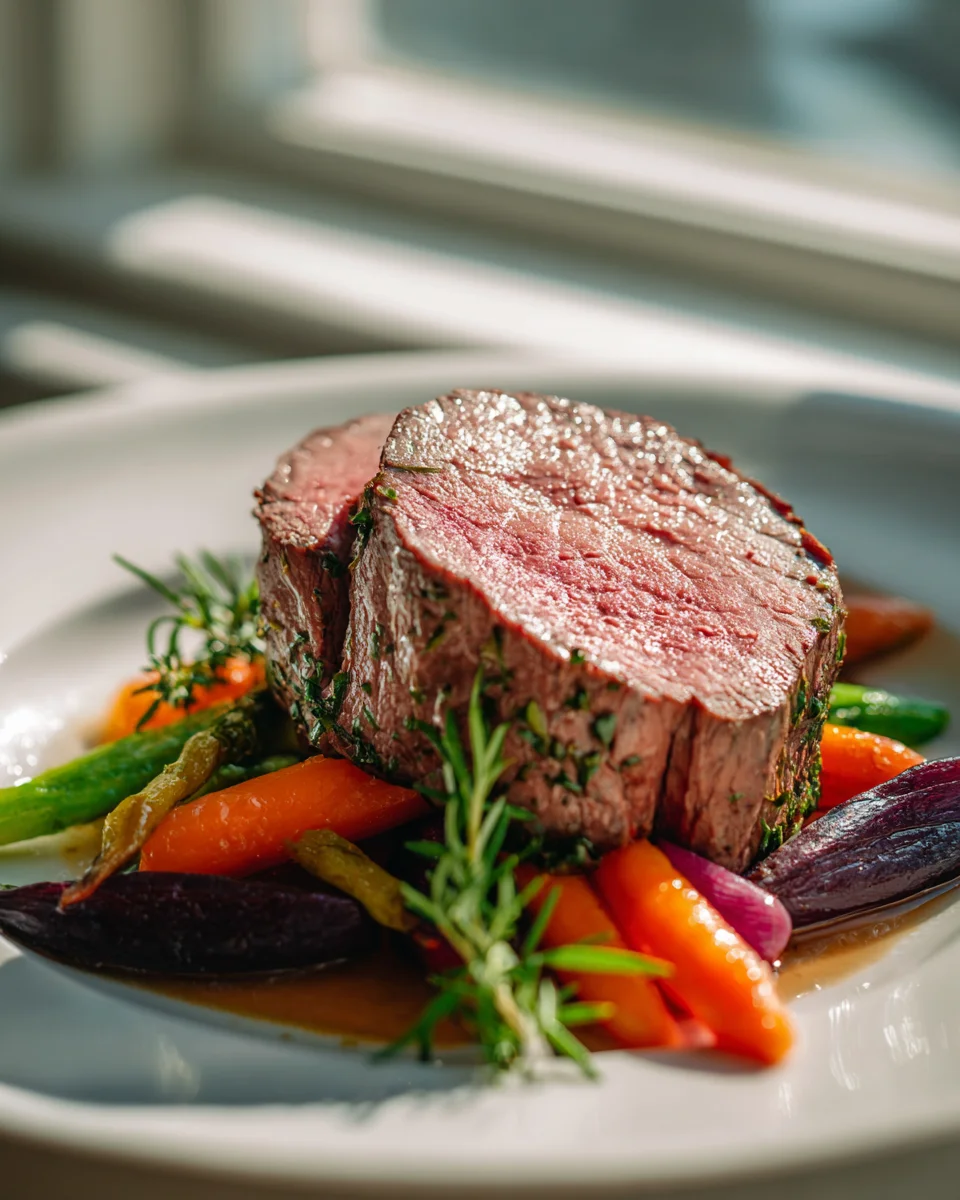
What makes this recipe so special? We’re talking about beef tenderloin here – the king of cuts! It’s inherently lean, incredibly tender, and cooks up in a flash. My goal with these recipes was to take that luxurious cut and make it completely approachable, healthy, and incredibly fast for any busy evening. You won’t find complicated steps or a mountain of dishes to wash; just straightforward techniques that bring out the best in this amazing beef, ensuring a flavorful and lean meal every time.
You are absolutely going to love these recipes because they deliver big on flavor and elegance without sacrificing your precious time or healthy eating goals. Imagine a perfectly seared, juicy piece of beef tenderloin, perhaps with a vibrant herb crust or a simple, savory non-alcohol reduction, ready in under 30 minutes. It’s truly a gourmet experience made utterly simple and guilt-free. These recipes are designed to be your go-to for a quick, impressive, and wholesome meal that feels like a treat any night of the week.

Ingredient Notes
Crafting healthy and delicious beef tenderloin for easy weeknights starts with selecting the right ingredients. Here’s what I typically reach for to ensure a flavorful and nutritious meal that doesn’t take all evening to prepare:
- Beef Tenderloin: This is the star of our dish! I always recommend choosing a high-quality center-cut tenderloin. Look for lean, bright red meat with minimal marbling. The inherent tenderness of tenderloin means it doesn’t require extensive marinating, saving you valuable time on a busy weeknight. For ultimate ease, you can often find it pre-cut into individual steaks (like filet mignon) or as a larger roast you can quickly slice yourself.
- Healthy Fats: My go-to is always a good quality extra virgin olive oil. It’s heart-healthy and perfect for both searing the beef and roasting vegetables. If I’m looking for a fat that withstands higher heat, avocado oil is another excellent choice.
- Fresh Vegetables: This is where we truly boost the “healthy” aspect of our meal! For quick weeknight cooking, I focus on fast-cooking vegetables like crisp asparagus spears, vibrant broccoli florets, colorful bell peppers (any shade), tender green beans, or even pre-washed baby spinach. Root vegetables like sweet potatoes or carrots can be quartered or sliced thin to significantly speed up their roasting time. Don’t shy away from pre-cut vegetable mixes from the grocery store – they’re a massive time-saver for those super busy evenings.
- Aromatics & Seasonings: Freshly minced garlic, thinly sliced shallots, and fresh herbs like rosemary, thyme, or oregano really elevate the flavor profile without adding unnecessary calories. For seasoning the beef itself, a simple yet effective blend of coarse sea salt, freshly ground black pepper, garlic powder, and onion powder is often all you need for a perfectly savory crust. A pinch of smoked paprika can also add a wonderful depth.
- Flavor Boosters (Optional, Healthy): For a quick pan sauce or to add a touch of brightness, a low-sodium beef broth, a splash of balsamic vinegar, or a squeeze of fresh lemon juice can make a big difference. These are excellent non-alcoholic alternatives to deglazing with wine.
Substitutions:
- Beef Tenderloin: While tenderloin is celebrated for its unmatched tenderness, if you’re seeking a slightly more budget-friendly option, consider lean sirloin steaks or even flank steak. Just be aware that cooking times will vary, and flank steak benefits from slicing against the grain.
- Vegetables: Feel free to swap vegetables based on what’s in season or what you happen to have on hand. Brussels sprouts, cauliflower florets, snap peas, or a quick sautéed mushroom mix would all be delicious. The key is to choose vegetables that cook at a similar rate to keep your weeknight meal simple.
- Herbs & Spices: If fresh herbs aren’t available, dried herbs work perfectly well; just remember to use about a third of the amount as they are more concentrated. Experiment with different spice blends like Italian seasoning or a touch of chili powder for a different culinary adventure.
Step-by-Step Instructions
Cooking healthy beef tenderloin for an easy weeknight meal is much simpler than you might think! This method ensures a perfectly cooked, tender steak and vibrant, nutritious vegetables all in one go, with minimal fuss. Here’s how I like to do it:
- Prep Your Tenderloin: If you have a larger tenderloin roast, slice it into individual steaks about 1 to 1.5 inches thick. Pat the steaks thoroughly dry with paper towels; this is a critical step for achieving a beautiful sear! Season generously on all sides with sea salt, freshly ground black pepper, and your favorite seasonings like garlic powder and a pinch of dried rosemary. Let them sit at room temperature for about 15-20 minutes while you prep your veggies.
- Preheat Oven & Prep Vegetables: Preheat your oven to 400°F (200°C). On a large baking sheet, spread out your chosen quick-cooking vegetables (like asparagus, broccoli, bell peppers, or thin-sliced sweet potatoes). Drizzle with a tablespoon of olive oil, season with salt, pepper, and perhaps some dried thyme or minced garlic. Toss to coat evenly.
- Sear the Beef: Heat a heavy-bottomed skillet (cast iron works wonderfully) over medium-high heat until it’s smoking slightly. Add a tablespoon of olive oil. Carefully place the seasoned tenderloin steaks in the hot pan, ensuring not to overcrowd it (cook in batches if necessary). Sear for 2-3 minutes per side until a beautiful, deep brown crust forms.
- Finish in the Oven (Optional, but Recommended for Thicker Steaks): For thicker steaks (1.5 inches or more) or if you prefer a more even cook, transfer the seared steaks directly to the baking sheet with the vegetables. Place the baking sheet in the preheated oven.
- Roast & Monitor Doneness: Roast for 8-15 minutes, depending on the thickness of your steaks and your desired doneness. For medium-rare, aim for an internal temperature of 130-135°F (54-57°C). For medium, 135-140°F (57-60°C). Use a meat thermometer inserted into the thickest part of the steak for accuracy. Your vegetables should be tender-crisp by this time.
- Rest the Meat: This is crucial! Once cooked to your liking, remove the steaks from the oven and transfer them to a cutting board. Tent loosely with foil and let them rest for at least 5-10 minutes. This allows the juices to redistribute, ensuring a tender and juicy steak.
- Serve: Slice the tenderloin against the grain if desired, and serve immediately with the roasted vegetables. You can drizzle any pan juices from the resting board over the meat and veggies for extra flavor.
Tips & Suggestions
Making healthy beef tenderloin a regular part of your weeknight rotation is all about smart techniques and a little planning. Here are some of my favorite tips and suggestions to ensure your meals are always delicious, nutritious, and stress-free:
- Invest in a Meat Thermometer: This is hands down the best tool for perfectly cooked beef tenderloin. Since it’s a lean cut, it can go from perfectly juicy to dry in a flash. An instant-read thermometer takes all the guesswork out, ensuring you hit your preferred doneness every time without overcooking.
- Always Rest Your Meat: I cannot stress this enough! After cooking, letting the tenderloin rest (tenting with foil) allows the muscle fibers to relax and reabsorb the juices. This results in a much more tender and flavorful steak. Skipping this step is a common mistake that leads to dry meat.
- Pat Dry for a Better Sear: Moisture on the surface of the meat will steam rather than sear. Before seasoning, always pat your tenderloin steaks thoroughly dry with paper towels to achieve that beautiful, flavorful crust.
- Embrace Batch Cooking Vegetables: On a Sunday, you can chop and prep a large batch of your favorite weeknight vegetables (like broccoli, bell peppers, or sweet potatoes). Store them in airtight containers in the fridge, and they’ll be ready to roast or sauté in minutes on a busy evening.
- Flavor Variations: Don’t be afraid to experiment with different flavor profiles!
- Mediterranean Twist: Serve with roasted cherry tomatoes, Kalamata olives, and a sprinkle of feta (if desired), alongside fresh oregano.
- Asian-Inspired: A quick marinade of low-sodium soy sauce (or tamari), ginger, garlic, and a touch of sesame oil can transform the tenderloin. Serve with steamed bok choy and brown rice. (For quick weeknights, you can even just drizzle a bit of this sauce over the cooked meat and veggies).
- Herb Crusted: Before searing, press a mix of finely chopped fresh herbs (like parsley, thyme, and rosemary) onto the seasoned tenderloin for an aromatic crust.
- Quick Pan Sauce (Non-Alcoholic): After searing and removing the beef, you can quickly make a pan sauce in the same skillet. Add a splash of low-sodium beef broth and a tablespoon of balsamic vinegar. Scrape up any browned bits from the bottom of the pan, let it reduce slightly, and finish with a pat of butter (optional) and fresh herbs. This adds incredible flavor without much effort.
- Portion Control: While tenderloin is lean, it’s still important to be mindful of portion sizes. A typical healthy serving for beef is around 3-4 ounces (cooked weight). Load up your plate with plenty of vibrant vegetables to feel satisfied.
Storage
One of the best things about cooking healthy meals like beef tenderloin with roasted vegetables is that they often make fantastic leftovers, perfect for a quick lunch the next day. Here’s how I recommend storing and reheating your delicious creation:
- Refrigeration: Allow any cooked beef tenderloin and roasted vegetables to cool completely to room temperature (this usually takes about 30 minutes, but no longer than two hours) before transferring them to an airtight container. Store them in the refrigerator for up to 3-4 days. For optimal freshness and to prevent cross-contamination, I often store the sliced beef separately from the vegetables if I have enough containers.
- Freezing (Beef Tenderloin Only): While you can technically freeze cooked beef tenderloin, it’s not always ideal as the texture can change slightly upon thawing and reheating, sometimes becoming a bit drier. However, if you have a larger portion and want to save it, wrap individual slices tightly in plastic wrap, then place them in a freezer-safe bag or container. It can be frozen for up to 2-3 months. I generally don’t recommend freezing the roasted vegetables, as they tend to become mushy when thawed.
- Reheating Beef Tenderloin: The key to reheating tenderloin without drying it out is gentle, slow heat.
- Oven Method (My Preference): Preheat your oven to a low temperature, around 250-275°F (120-135°C). Place the sliced tenderloin (or whole steaks) in an oven-safe dish with a splash of beef broth or water to keep it moist. Cover the dish tightly with foil. Heat for 10-20 minutes, or until just warmed through. This low and slow method helps preserve tenderness.
- Skillet Method: Heat a non-stick skillet over medium-low heat with a tiny bit of olive oil or broth. Add the sliced tenderloin and gently warm, flipping once, for just a few minutes until heated through. Be careful not to let it sit too long, or it will toughen.
- Microwave (Least Recommended): While the quickest, the microwave can often dry out tenderloin and make it chewy. If you must use it, heat in short 30-second bursts on a lower power setting, checking frequently, and add a splash of broth.
- Reheating Roasted Vegetables: Roasted vegetables reheat well in the oven at 350°F (175°C) for about 5-10 minutes, or until warmed and slightly crisp again. A quick sauté in a pan is also effective. Avoid microwaving if you want to retain any texture; they’ll often become quite soft.
- Food Safety Reminder: Always ensure that reheated food reaches an internal temperature of 165°F (74°C) to be safe. However, for tenderloin, I aim for just warm enough, sacrificing a bit of this if I know the initial cook was to a safe temperature and it was stored correctly, to maintain texture. Use your best judgment and prioritize food safety.
Final Thoughts
And there you have it! I truly hope you’re feeling inspired to bring the elegance and deliciousness of beef tenderloin to your table, even on the busiest of weeknights. What I love most about these Healthy Beef Tenderloin Recipes For Easy Weeknights is how they shatter the myth that gourmet meals require hours of effort or compromise on health. You get to enjoy premium, tender beef that’s packed with flavor, all while keeping things light and incredibly simple.
From quick marinades to speedy searing, these recipes are designed to fit seamlessly into your life, ensuring you can savor a truly special meal without the stress. It’s about making mindful choices without sacrificing taste or satisfaction. So go ahead, treat yourself and your loved ones to a fantastic, healthy meal this week. I promise, once you try these Healthy Beef Tenderloin Recipes For Easy Weeknights, they’ll become a cherished part of your culinary repertoire. Happy cooking!
Healthy Beef Tenderloin: Quick & Easy Weeknight Dinners
- Total Time: 45 minutes
- Yield: 4 servings
Description
Enjoy a gourmet experience with this healthy beef tenderloin recipe that is quick and easy to prepare. Perfectly seared and paired with vibrant vegetables, this dish is a delicious way to elevate your weeknight dinners.
Ingredients
- Beef Tenderloin
- Extra virgin olive oil
- Asparagus spears
- Broccoli florets
- Bell peppers (any shade)
- Green beans
- Baby spinach
- Sweet potatoes
- Carrots
- Freshly minced garlic
- Thinly sliced shallots
- Fresh rosemary
- Fresh thyme
- Fresh oregano
- Coarse sea salt
- Freshly ground black pepper
- Garlic powder
- Onion powder
- Smoked paprika
- Low-sodium beef broth (optional)
- Balsamic vinegar (optional)
- Fresh lemon juice (optional)
Instructions
- If you have a larger tenderloin roast, slice it into individual steaks about 1 to 1.5 inches thick. Pat the steaks thoroughly dry with paper towels; this is a critical step for achieving a beautiful sear! Season generously on all sides with sea salt, freshly ground black pepper, and your favorite seasonings like garlic powder and a pinch of dried rosemary. Let them sit at room temperature for about 15-20 minutes while you prep your veggies.
- Preheat your oven to 400°F (200°C). On a large baking sheet, spread out your chosen quick-cooking vegetables (like asparagus, broccoli, bell peppers, or thin-sliced sweet potatoes). Drizzle with a tablespoon of olive oil, season with salt, pepper, and perhaps some dried thyme or minced garlic. Toss to coat evenly.
- Heat a heavy-bottomed skillet (cast iron works wonderfully) over medium-high heat until it’s smoking slightly. Add a tablespoon of olive oil. Carefully place the seasoned tenderloin steaks in the hot pan, ensuring not to overcrowd it (cook in batches if necessary). Sear for 2-3 minutes per side until a beautiful, deep brown crust forms.
- For thicker steaks (1.5 inches or more) or if you prefer a more even cook, transfer the seared steaks directly to the baking sheet with the vegetables. Place the baking sheet in the preheated oven.
- Roast for 8-15 minutes, depending on the thickness of your steaks and your desired doneness. For medium-rare, aim for an internal temperature of 130-135°F (54-57°C). For medium, 135-140°F (57-60°C). Use a meat thermometer inserted into the thickest part of the steak for accuracy. Your vegetables should be tender-crisp by this time.
- Once cooked to your liking, remove the steaks from the oven and transfer them to a cutting board. Tent loosely with foil and let them rest for at least 5-10 minutes.
- Slice the tenderloin against the grain if desired, and serve immediately with the roasted vegetables. You can drizzle any pan juices from the resting board over the meat and veggies for extra flavor.
- Prep Time: 15 mins
- Cook Time: 30 mins
- Category: Dinner
- Method: Searing and Roasting
- Cuisine: American
Nutrition
- Serving Size: 1 steak with vegetables
- Calories: 350
- Sugar: 5 g
- Sodium: 600 mg
- Fat: 20 g
- Saturated Fat: 5 g
- Unsaturated Fat: 15 g
- Trans Fat: 0 g
- Carbohydrates: 15 g
- Fiber: 4 g
- Protein: 30 g
- Cholesterol: 80 mg
Keywords: Invest in a meat thermometer for perfectly cooked beef tenderloin. Always rest your meat after cooking to ensure tenderness. Pat dry for a better sear and consider batch cooking vegetables for quick weeknight meals.


Leave a Comment