
Cantonese Chow Mein
Oh, Cantonese Chow Mein! This isn’t just any noodle dish; it’s a culinary hug in a bowl, a true icon of Cantonese comfort food that I absolutely adore. I know you’re going to love making and devouring this at home. What makes this recipe so special, you ask? It’s all about that incredible textural contrast and rich, savory flavor. We start with fresh egg noodles, pan-frying them until they achieve that perfect golden crispiness on the outside, while still retaining a delightful chewiness within. Then, these glorious noodles become the bed for a luscious, savory gravy packed with tender slices of marinated beef, vibrant gai lan, crunchy carrots, and earthy mushrooms. The magic happens when that hot, glossy sauce cascades over the crispy noodles, softening them just enough to create an irresistible blend of tender and chewy textures with every single bite. Get ready for a delicious journey to a classic!

Hello, fellow food lovers! Today, I’m thrilled to share with you one of my all-time favorite Cantonese dishes: Cantonese Chow Mein. This isn’t your everyday stir-fried noodle dish; it’s a culinary experience centered around wonderfully crispy pan-fried egg noodles, generously topped with a savory, glossy stir-fry featuring tender beef and an array of vibrant vegetables. The contrast between the crunchy noodles and the rich, saucy topping is what truly makes this dish special and utterly irresistible. Let’s dive into making this classic!
Ingredient Notes
Creating authentic Cantonese Chow Mein starts with selecting the right ingredients. Here’s what you’ll need and some thoughts on substitutions:
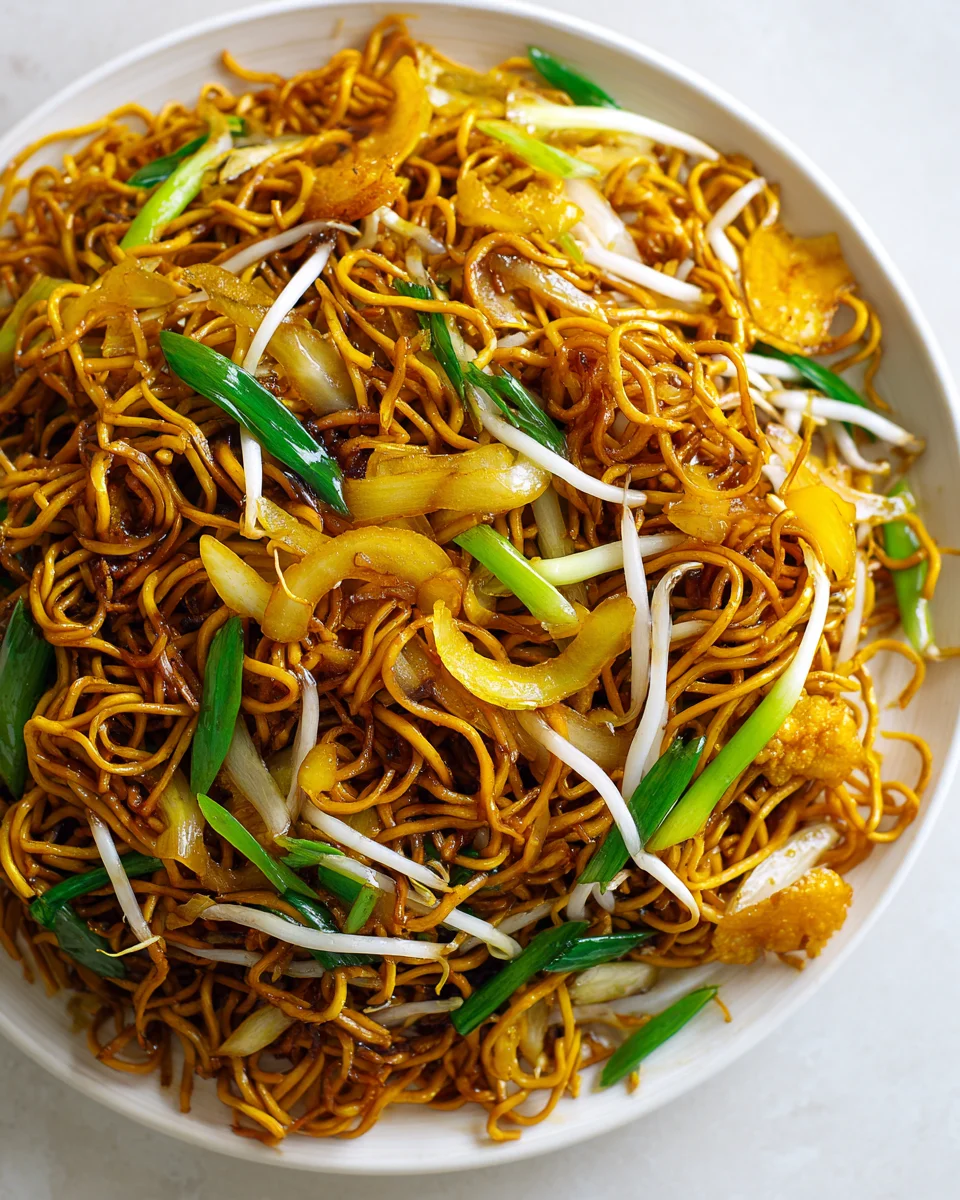
- The Noodles: This is arguably the most crucial component. We’re looking for dried thin egg noodles (often labeled “Hong Kong style pan-fry noodles” or “chow mein noodles”). These noodles are first boiled until tender, then pan-fried in batches until they form a golden, crispy “cake.” This crisp texture, especially on the outside, is characteristic of Cantonese Chow Mein and provides a delightful contrast to the soft interior and the saucy topping.
- The Protein: I usually opt for thinly sliced beef, such as flank steak or sirloin. Slicing it against the grain is key to tenderness. Marinating the beef briefly with a little soy sauce, sesame oil, and cornstarch will further tenderize it and give it a silky texture that cooks beautifully in the stir-fry. If you prefer, chicken breast or thigh, shrimp, or even firm tofu can be excellent substitutes. Just adjust the cooking time accordingly.
- The Vegetables: A colorful medley is best! I love using a combination of Chinese broccoli (gai lan), bok choy (either Shanghai bok choy or regular bok choy), sliced carrots, shiitake mushrooms (fresh or rehydrated dried ones), snow peas, and a handful of fresh bean sprouts for freshness and crunch at the end. Feel free to incorporate other favorites like bell peppers, water chestnuts, or bamboo shoots.
- The Aromatics: Fresh ginger and garlic are indispensable for that authentic Cantonese flavor. Don’t skimp on these! Green onions also add a lovely fresh finish.
- The Sauce: This is where the magic happens! My go-to sauce includes light soy sauce (for saltiness), dark soy sauce (for color and a richer flavor), oyster sauce (for umami depth), a touch of sugar to balance the flavors, sesame oil for aroma, chicken broth, and cornstarch to create that signature glossy, thick consistency. For a non-alcoholic alternative to rice wine, I often use a small amount of white grape juice mixed with a dash of rice vinegar or apple cider vinegar. This provides a similar slight tang and complexity without the alcohol.
- Cooking Oil: A neutral oil with a high smoke point, like canola, grapeseed, or peanut oil, is perfect for stir-frying and pan-frying the noodles.
Step-by-Step Instructions
Here’s how I bring my Cantonese Chow Mein to life:
- Prep the Ingredients: Start by getting everything ready. Slice your beef thinly against the grain and marinate it. Chop all your vegetables into bite-sized pieces. Mince your ginger and garlic. Whisk together all the sauce ingredients in a small bowl. This “mise en place” is vital for the fast-paced nature of stir-frying.
- Cook the Noodles: Bring a large pot of water to a boil. Add the dried egg noodles and cook according to package directions, typically 3-4 minutes, until al dente. They should be cooked but still have a slight bite. Drain them immediately and rinse briefly under cold water to prevent sticking. Toss lightly with a teaspoon of oil to keep them from clumping.
- Pan-Fry the Noodles: Heat about 2-3 tablespoons of oil in a large non-stick skillet or wok over medium-high heat. Once shimmering, add about half of the cooked noodles, spreading them into a relatively even layer. Press down gently with a spatula. Let them cook undisturbed for 5-7 minutes, or until the bottom is deeply golden brown and crispy. Flip the noodle cake carefully and cook the other side until golden and crisp. This might take another 5-7 minutes. Remove the crispy noodle cake to a serving platter and repeat with the remaining noodles. Set the crispy noodles aside.
- Cook the Beef: In the same skillet or wok (add a little more oil if needed), increase the heat to high. Add the marinated beef in a single layer and stir-fry for 1-2 minutes until it’s just browned on the outside. Be careful not to overcrowd the pan; cook in batches if necessary. Remove the cooked beef and set aside.
- Stir-Fry the Vegetables: Add a little more oil to the wok if needed. Toss in the minced ginger and garlic and stir-fry for about 15-30 seconds until fragrant. Add the harder vegetables first, such as carrots and gai lan stems. Stir-fry for 2-3 minutes. Then, add the softer vegetables like bok choy leaves, mushrooms, and snow peas. Continue to stir-fry for another 2-3 minutes until the vegetables are tender-crisp – they should still have a vibrant color and a slight bite.
- Combine and Sauce: Return the cooked beef to the wok with the vegetables. Give your prepared sauce a quick whisk again (as the cornstarch can settle) and pour it over the ingredients in the wok. Stir continuously, bringing the sauce to a simmer. It will thicken quickly as the cornstarch activates, forming a glossy, rich gravy. Once thickened to your liking, remove from heat.
- Assemble and Serve: Spoon the hot, saucy beef and vegetable mixture directly over the crispy noodle cakes on the serving platter. Garnish with chopped green onions and a sprinkle of freshly ground white pepper, if desired. Serve immediately and enjoy the wonderful interplay of textures and flavors!
Tips & Suggestions
To truly master your Cantonese Chow Mein, keep these tips in mind:
- The Crispy Noodle Secret: The key to truly crispy noodles is patience and not overcrowding your pan. Use enough oil to create a good crust, and let the noodles cook undisturbed for several minutes per side. You’re aiming for a sturdy, golden-brown noodle “pancake” that holds its shape.
- Wok Hei at Home: While a home stove might not generate the intense “wok hei” (breath of the wok) flavor found in restaurant kitchens, cooking in a very hot wok or large skillet will help. Ensure your pan is screaming hot before adding ingredients, and cook in batches if necessary to maintain that high temperature.
- Don’t Overcook the Veggies: Cantonese cooking celebrates the natural crunch and vibrant color of vegetables. Stir-fry them quickly until they are tender-crisp, not limp.
- Taste and Adjust the Sauce: Before pouring the sauce into the wok, taste it! Adjust the sweetness, saltiness, or umami by adding a pinch more sugar, a splash more soy sauce, or a bit more oyster sauce. It’s much easier to adjust before it thickens.
- Serve Immediately: This dish is best enjoyed right away. The crispy noodles will inevitably soften as they absorb the delicious sauce, but the initial crunch is truly sublime.
- Beef Tenderization: For extra tender beef, consider velveting it. After marinating, blanch the beef in boiling water for about 30 seconds until it changes color, then drain. This technique locks in moisture and creates a wonderfully silky texture before you even stir-fry it.
Storage
Cantonese Chow Mein is definitely at its peak when served fresh, especially to enjoy that beautiful crispy noodle texture. However, leftovers can still be very tasty:
- Refrigeration: If you have any leftovers, store the stir-fried topping and the noodles separately in airtight containers in the refrigerator. This will help prevent the noodles from becoming completely soggy. They will keep well for about 2-3 days.
- Reheating:
- Noodles: If you stored the noodles separately, you can try to re-crisp them. Heat a dry non-stick pan over medium-high heat and pan-fry the noodles again for a few minutes per side until some crispness returns. Alternatively, you can reheat them in a toaster oven or oven for about 10-15 minutes at 350°F (175°C).
- Topping: Gently reheat the beef and vegetable topping in a skillet or wok over medium heat until warmed through, adding a splash of broth or water if it seems too thick.
- Once both components are hot, combine them on a plate and enjoy!
- Freezing: I don’t recommend freezing Cantonese Chow Mein. The texture of both the noodles and the vegetables, especially the crispy element, will suffer significantly upon thawing and reheating. It’s truly a dish best made and eaten fresh.
Final Thoughts
I truly hope you’ve enjoyed following this recipe and are now ready to savor the delightful results of your efforts! There’s something truly magical about a perfectly executed Cantonese Chow Mein, and I believe this recipe captures its heart and soul beautifully.
What makes this particular Cantonese Chow Mein an absolute must-try is the exquisite interplay of textures and flavors. Imagine: the satisfying crispness of the pan-fried noodles, which then yield to a tender chewiness, all bathed in a rich, savory sauce. It’s perfectly complemented by succulent slices of tender beef and the vibrant crunch of fresh vegetables, creating a symphony for your palate. The blend of carefully selected ingredients, including the aromatic seasonings and our delightful non-alcohol alternatives, truly brings out an authentic depth that sets this dish apart.
This isn’t just a meal; it’s an experience. Preparing your own Cantonese Chow Mein allows you to recreate a beloved classic, packed with comforting flavors and impressive visual appeal. It’s a dish that always brings smiles to the table and leaves everyone feeling satisfied. So, go ahead, gather your loved ones and share the joy of this incredible homemade Cantonese Chow Mein. I promise, it’s a culinary adventure you won’t regret!
Classic Cantonese Chow Mein: Savory Beef Noodles Made Easy
- Total Time: 45 minutes
- Yield: 4 servings
Description
Experience the delightful contrast of crispy pan-fried egg noodles topped with savory beef and vibrant vegetables in this classic Cantonese dish. Perfect for a comforting meal at home, this recipe is sure to impress!
Ingredients
- dried thin egg noodles (Hong Kong style pan-fry noodles or chow mein noodles)
- thinly sliced beef (flank steak or sirloin)
- soy sauce
- sesame oil
- cornstarch
- Chinese broccoli (gai lan)
- bok choy (Shanghai bok choy or regular bok choy)
- sliced carrots
- shiitake mushrooms (fresh or rehydrated dried ones)
- snow peas
- fresh bean sprouts
- green onions
- light soy sauce
- dark soy sauce
- oyster sauce
- sugar
- chicken broth
- neutral cooking oil (canola, grapeseed, or peanut oil)
- fresh ginger
- garlic
Instructions
- Prep the Ingredients: Start by getting everything ready. Slice your beef thinly against the grain and marinate it. Chop all your vegetables into bite-sized pieces. Mince your ginger and garlic. Whisk together all the sauce ingredients in a small bowl. This 'mise en place' is vital for the fast-paced nature of stir-frying.
- Cook the Noodles: Bring a large pot of water to a boil. Add the dried egg noodles and cook according to package directions, typically 3-4 minutes, until al dente. They should be cooked but still have a slight bite. Drain them immediately and rinse briefly under cold water to prevent sticking. Toss lightly with a teaspoon of oil to keep them from clumping.
- Pan-Fry the Noodles: Heat about 2-3 tablespoons of oil in a large non-stick skillet or wok over medium-high heat. Once shimmering, add about half of the cooked noodles, spreading them into a relatively even layer. Press down gently with a spatula. Let them cook undisturbed for 5-7 minutes, or until the bottom is deeply golden brown and crispy. Flip the noodle cake carefully and cook the other side until golden and crisp. This might take another 5-7 minutes. Remove the crispy noodle cake to a serving platter and repeat with the remaining noodles. Set the crispy noodles aside.
- Cook the Beef: In the same skillet or wok (add a little more oil if needed), increase the heat to high. Add the marinated beef in a single layer and stir-fry for 1-2 minutes until it's just browned on the outside. Be careful not to overcrowd the pan; cook in batches if necessary. Remove the cooked beef and set aside.
- Stir-Fry the Vegetables: Add a little more oil to the wok if needed. Toss in the minced ginger and garlic and stir-fry for about 15-30 seconds until fragrant. Add the harder vegetables first, such as carrots and gai lan stems. Stir-fry for 2-3 minutes. Then, add the softer vegetables like bok choy leaves, mushrooms, and snow peas. Continue to stir-fry for another 2-3 minutes until the vegetables are tender-crisp – they should still have a vibrant color and a slight bite.
- Combine and Sauce: Return the cooked beef to the wok with the vegetables. Give your prepared sauce a quick whisk again (as the cornstarch can settle) and pour it over the ingredients in the wok. Stir continuously, bringing the sauce to a simmer. It will thicken quickly as the cornstarch activates, forming a glossy, rich gravy. Once thickened to your liking, remove from heat.
- Assemble and Serve: Spoon the hot, saucy beef and vegetable mixture directly over the crispy noodle cakes on the serving platter. Garnish with chopped green onions and a sprinkle of freshly ground white pepper, if desired. Serve immediately and enjoy the wonderful interplay of textures and flavors!
- Prep Time: 15 mins
- Cook Time: 30 mins
- Category: Dinner
- Method: Stir-frying
- Cuisine: Cantonese
Nutrition
- Serving Size: 1 bowl
- Calories: 600
- Sugar: 5 g
- Sodium: 800 mg
- Fat: 20 g
- Saturated Fat: 3 g
- Unsaturated Fat: 15 g
- Trans Fat: 0 g
- Carbohydrates: 80 g
- Fiber: 5 g
- Protein: 30 g
- Cholesterol: 70 mg
Keywords: To achieve crispy noodles, avoid overcrowding the pan and let them cook undisturbed. Adjust the sauce to your taste before thickening, and serve immediately for the best texture.

Leave a Comment