
Balsamic Baked Chicken Breast
Oh, let me tell you about one of my absolute favorite weeknight heroes: Balsamic Baked Chicken Breast. This isn’t just any chicken dish; it’s a testament to how incredible simple ingredients can be when they come together just right. What makes this recipe truly special is the magical transformation that happens to the humble chicken breast when it’s enveloped in that rich, tangy, and slightly sweet balsamic glaze. It’s a burst of sophisticated flavor that feels gourmet, yet is unbelievably easy to whip up.
I know you’re going to adore this recipe because it delivers on so many fronts. Are you looking for a healthy dinner option that doesn’t skimp on taste? Check! Need something quick and hands-off after a busy day? Absolutely! The chicken bakes beautifully in the oven, becoming incredibly tender and juicy, while the balsamic reduction caramelizes into a glossy, irresistible coating. It’s perfect for a fuss-free family dinner, an elegant meal prep staple, or even when you want to impress without all the fuss. Prepare to fall in love with how much flavor you can get from so little effort!
In a nutshell, we’re talking about succulent chicken breasts bathed in a vibrant mixture of balsamic vinegar, a touch of sweetness, savory herbs, and a hint of garlic, all baked to perfection. The result is a beautifully bronzed, fork-tender chicken with a sweet and tangy crust that will have everyone asking for seconds. Get ready to elevate your dinner game!

Ingredient Notes
Crafting the perfect Balsamic Baked Chicken Breast relies on a few key ingredients, each playing an important role in developing that signature tangy, savory, and slightly sweet flavor profile. I want to share my thoughts on why I choose certain ingredients and offer some handy substitutions.
- Chicken Breasts: I always opt for boneless, skinless chicken breasts for this recipe. They’re lean, cook relatively quickly, and readily absorb the wonderful balsamic marinade. When buying, look for similarly sized breasts to ensure even cooking. If you only have larger ones, you can easily butterfly them or pound them to an even thickness.
- Substitution: Boneless, skinless chicken thighs are a fantastic alternative if you prefer a juicier, slightly richer cut of meat. Just keep in mind they might require a few extra minutes in the oven, and their fat content can make the sauce a bit richer.
- Balsamic Vinegar: This is the star of the show! A good quality balsamic vinegar makes a huge difference here. I don’t mean the super expensive, aged kind, but certainly one that’s not watered down. A decent quality balsamic will be thick enough to cling to the chicken and offer a complex sweet and sour note.
- Substitution: If you don’t have balsamic, a good red wine vinegar can work in a pinch. To mimic balsamic’s sweetness, I’d suggest adding a teaspoon or two of brown sugar or maple syrup to the marinade if using red wine vinegar.
- Olive Oil: Extra virgin olive oil is my go-to for its robust flavor and its ability to help the marinade adhere to the chicken while keeping it moist. It also prevents the balsamic from burning too quickly in the oven.
- Substitution: Any neutral-flavored oil like avocado oil, grapeseed oil, or even a light vegetable oil will work well if you don’t have olive oil on hand.
- Garlic: Freshly minced garlic is non-negotiable for me in this dish. Its pungent aroma and flavor infuse beautifully into the chicken. I usually go for about 2-3 cloves, but feel free to add more if you’re a garlic lover like me!
- Substitution: If fresh garlic isn’t available, about half a teaspoon of garlic powder can be used per clove of fresh garlic. It won’t have the same punch but will still contribute to the overall flavor.
- Dried Herbs (Rosemary, Thyme, Oregano): I love the earthy, aromatic blend of these herbs with balsamic vinegar. They complement the chicken without overpowering it. Sometimes I use all three, other times just one or two, depending on what I have.
- Substitution: A good quality Italian seasoning blend can easily replace these individual herbs. If you have fresh herbs, double the quantity as fresh herbs are less potent when dried.
- Salt and Black Pepper: These humble seasonings are crucial for bringing out all the other flavors. I always recommend freshly ground black pepper for a more vibrant taste.
- Substitution: Any type of salt (kosher, sea salt) will work, just be mindful of the different crystal sizes when measuring.
- Optional Additions: Sometimes, I like to add a touch of sweetness with honey or maple syrup to balance the tang of the balsamic, or a teaspoon of Dijon mustard for an extra layer of flavor. A pinch of red pepper flakes can also add a subtle warmth.
Step-by-Step Instructions
Making Balsamic Baked Chicken Breast is wonderfully straightforward, and I’ll walk you through each step to ensure you get a moist, flavorful result every time. The key is in the marinade and not overcooking the chicken!
- Preheat Your Oven and Prep the Pan: First things first, preheat your oven to 400°F (200°C). While it’s heating, grab a baking dish – a 9×13 inch dish usually works perfectly for 2-4 chicken breasts. You can lightly grease it with a little olive oil or line it with parchment paper for easier cleanup.
- Prepare the Chicken Breasts: Take your boneless, skinless chicken breasts and pat them thoroughly dry with paper towels. This is an important step as it helps the marinade adhere better and allows for a better sear (if you choose to do that) or browning. If your chicken breasts are very thick or uneven, I recommend placing them between two sheets of plastic wrap and gently pounding them to an even thickness of about ¾ to 1 inch. This ensures they cook evenly and don’t dry out in thinner spots.
- Whisk Together the Balsamic Marinade: In a medium bowl, combine all your marinade ingredients: ½ cup balsamic vinegar, 2 tablespoons olive oil, 2-3 cloves of minced garlic, 1 teaspoon dried rosemary, 1 teaspoon dried thyme, ½ teaspoon dried oregano, ½ teaspoon salt, and ¼ teaspoon freshly ground black pepper. Whisk everything together until it’s well combined. If you’re adding any optional honey, maple syrup, or Dijon mustard, now’s the time to stir them in.
- Marinate the Chicken (Optional but Recommended!): Place the prepared chicken breasts into the bowl with the marinade, or put them in a resealable bag. Make sure the chicken is fully coated. I find that marinating for at least 30 minutes, or up to 2 hours in the refrigerator, really allows the flavors to penetrate. I wouldn’t recommend marinating much longer than 2 hours for chicken breasts, as the acidity of the balsamic can start to “cook” the chicken, altering its texture.
- Arrange Chicken in Baking Dish: Once marinated, remove the chicken from the bowl or bag, letting any excess marinade drip off slightly, and place it in your prepared baking dish. Pour any remaining marinade evenly over the chicken breasts. Don’t worry about using the marinade that was in contact with raw chicken; it will be cooked thoroughly in the oven.
- Bake to Perfection: Place the baking dish in your preheated oven. Bake for 20-25 minutes. The exact time will depend on the thickness of your chicken breasts and your oven’s calibration.
- Check for Doneness: The most crucial step to juicy chicken is not to overcook it! To be sure, I always use an instant-read meat thermometer. Insert it into the thickest part of the chicken breast, avoiding any bone if using bone-in chicken. The internal temperature should reach 165°F (74°C). If it’s not quite there, pop it back in for another 2-5 minutes and check again.
- Rest the Chicken: Once the chicken reaches 165°F (74°C), remove the baking dish from the oven. This next step is vital for juicy results: loosely tent the baking dish with foil and let the chicken rest for 5-10 minutes. This allows the juices to redistribute throughout the meat, keeping it tender and moist.
- Serve and Enjoy: Slice the Balsamic Baked Chicken Breast against the grain, or serve whole, drizzling any delicious pan juices from the baking dish over the top. It’s now ready to be enjoyed!
Tips & Suggestions
Having made Balsamic Baked Chicken Breast countless times, I’ve picked up a few tricks that can elevate your dish from good to absolutely fantastic. These tips are all about maximizing flavor, ensuring tenderness, and making the cooking process a breeze.
- Pound for Even Cooking: As I mentioned in the instructions, pounding your chicken breasts to an even thickness is a game-changer. Not only does it help the chicken cook uniformly, preventing dry spots, but it also makes the chicken more tender. I aim for about ¾ to 1 inch thickness.
- Don’t Over-Marinate: While marinading adds fantastic flavor, remember that balsamic vinegar is quite acidic. For chicken breasts, sticking to a maximum of 2 hours for marination time is ideal. Any longer, and the acid can start to break down the proteins too much, leading to a slightly mushy or stringy texture rather than tender.
- Consider a Quick Sear First (Optional but Worth It): If you have a bit of extra time and want to add another layer of flavor and a beautiful golden crust, you can quickly sear the marinated chicken breasts in an oven-safe skillet on the stovetop for 2-3 minutes per side before transferring the skillet to the oven to finish baking. This adds a lovely caramelized exterior.
- Create a Luscious Pan Sauce: Don’t let those flavorful pan juices go to waste! After removing the chicken and letting it rest, you can pour the pan juices into a small saucepan. Bring it to a simmer over medium heat and let it reduce for 5-7 minutes, until it thickens slightly into a syrupy glaze. You can whisk in a tiny pat of cold butter at the end for extra richness and shine. This makes an incredible topping for your chicken and any sides.
- Prevent Dry Chicken: The number one culprit for dry chicken is overcooking. Always use a meat thermometer to ensure your chicken reaches exactly 165°F (74°C) and no more. Resting the chicken after baking is equally important as it allows the internal temperature to equalize and the juices to redistribute, leading to a much more succulent result.
- Serving Suggestions: Balsamic Baked Chicken Breast is incredibly versatile. I love serving it with roasted vegetables like asparagus, broccoli, or bell peppers which can even cook alongside the chicken in the same oven. It’s also fantastic with fluffy rice, creamy mashed potatoes, or a simple side salad with a light vinaigrette. For a heartier meal, serve it over pasta or quinoa.
- Balance the Tang with Sweetness: If you find the balsamic flavor a bit too tart for your liking, don’t hesitate to add a touch of sweetness to your marinade. A tablespoon of honey, maple syrup, or even a sprinkle of brown sugar can mellow out the acidity and create a more rounded, glaze-like flavor.
- Experiment with Herbs: While rosemary, thyme, and oregano are my favorites, feel free to play around with other herbs. Sage can add a lovely warmth, or a pinch of dried basil can bring a brighter, sweeter note. Fresh herbs, added right at the end or as a garnish, also add a beautiful aroma and pop of color.
Storage
Balsamic Baked Chicken Breast makes for excellent leftovers, which is a huge plus in my book for meal prepping! Here’s how I typically store and reheat it to keep it tasting great.
- Refrigeration: Once your chicken has cooled down completely, transfer it to an airtight container. It will keep beautifully in the refrigerator for up to 3-4 days. I often slice it before storing, which makes it super convenient for quick meals later in the week.
- Freezing: If you’ve made a larger batch or want to save some for a future meal, Balsamic Baked Chicken Breast freezes well. Allow the chicken to cool completely, then place it in a freezer-safe airtight container or a heavy-duty freezer bag. Try to remove as much air as possible from the bag to prevent freezer burn. It can be stored in the freezer for up to 2-3 months.
- To Thaw: When you’re ready to enjoy it, transfer the frozen chicken to the refrigerator and let it thaw overnight.
- Reheating:
- Oven (My Preferred Method): This is usually the best way to reheat baked chicken as it helps maintain its moisture. Preheat your oven to 300°F (150°C). Place the chicken in an oven-safe dish, possibly with a tablespoon or two of water or chicken broth to help keep it moist. Cover the dish loosely with foil and heat for about 15-20 minutes, or until warmed through.
- Microwave: For a quicker reheat, you can use the microwave. Place the chicken on a microwave-safe plate, adding a splash of water or broth and covering it with a microwave-safe lid or damp paper towel. Heat on medium power for 1-2 minutes, checking and flipping halfway, until heated through. Be cautious not to overheat, as this can dry out the chicken.
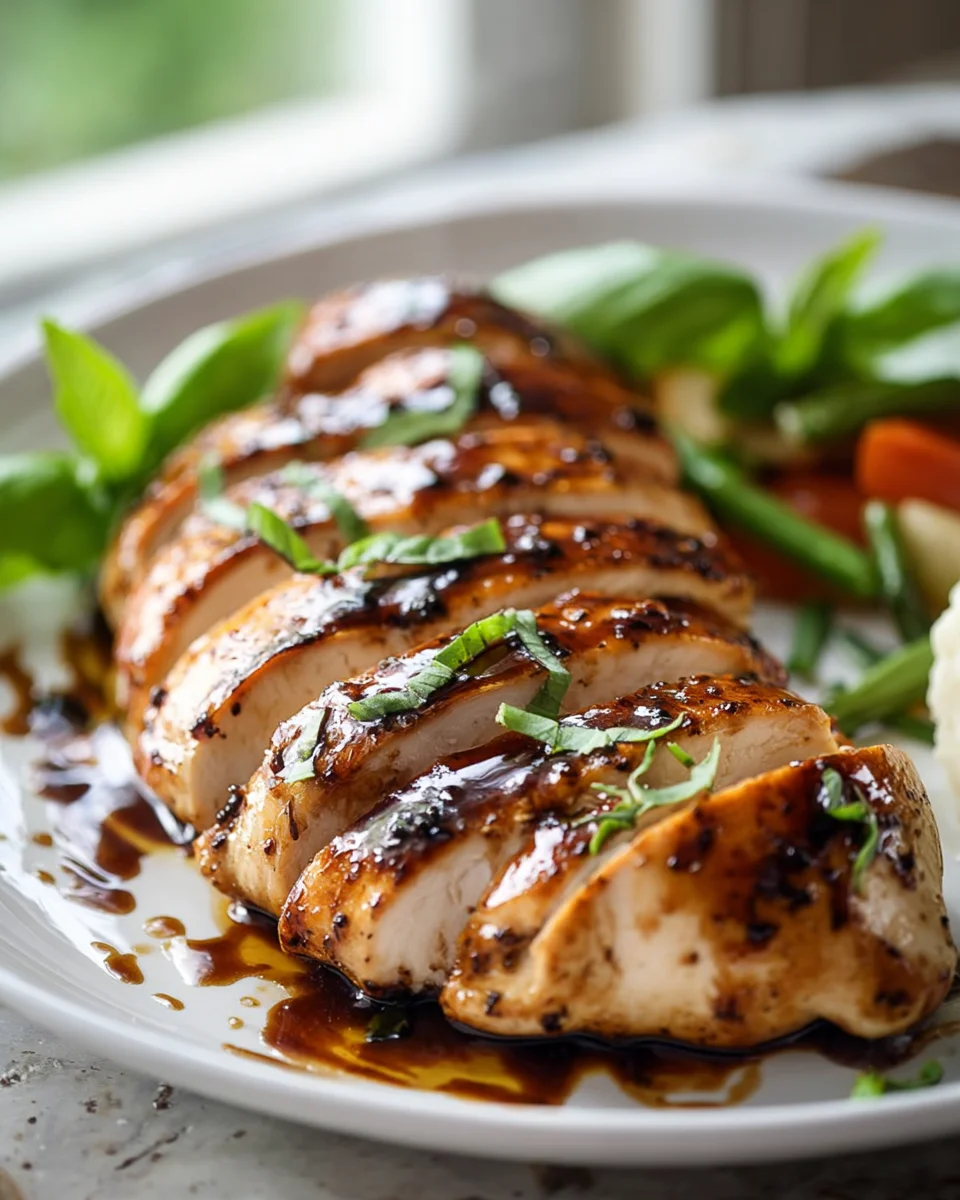
So there you have it! I truly believe this Balsamic Baked Chicken Breast recipe is a total game-changer for your weeknight dinners. It’s incredibly simple to prepare, yet the flavors are anything but basic. The tangy sweetness of the balsamic, perfectly caramelized onto the tender chicken, creates a dish that feels both elegant and comforting.
It’s light, healthy, and pairs beautifully with just about any side you can imagine, from a crisp green salad to roasted vegetables. If you’re looking for a reliable, delicious, and fuss-free meal that never disappoints, I urge you to give this Balsamic Baked Chicken Breast a try. I promise, it’s destined to become a staple in your kitchen!
Balsamic Baked Chicken Breast Recipe: Quick & Healthy Meal
- Total Time: 40 minutes
- Yield: 4 servings 1x
Description
This Balsamic Baked Chicken Breast is a quick and healthy dinner option that combines simple ingredients for a gourmet flavor. The chicken is enveloped in a rich, tangy balsamic glaze that makes it incredibly tender and juicy.
Ingredients
- 4 boneless, skinless chicken breasts
- ½ cup balsamic vinegar
- 2 tablespoons extra virgin olive oil
- 2–3 cloves of freshly minced garlic
- 1 teaspoon dried rosemary
- 1 teaspoon dried thyme
- ½ teaspoon dried oregano
- ½ teaspoon salt
- ¼ teaspoon freshly ground black pepper
- Optional: 1 tablespoon honey or maple syrup
- Optional: 1 teaspoon Dijon mustard
- Optional: pinch of red pepper flakes
Instructions
- Preheat your oven to 400°F (200°C) and prepare a 9×13 inch baking dish by lightly greasing it with olive oil or lining it with parchment paper.
- Pat the chicken breasts dry with paper towels and pound them to an even thickness of about ¾ to 1 inch if necessary.
- In a medium bowl, whisk together the balsamic vinegar, olive oil, minced garlic, dried rosemary, dried thyme, dried oregano, salt, and black pepper until well combined. If using, stir in honey, maple syrup, or Dijon mustard.
- Marinate the chicken breasts in the bowl with the marinade or place them in a resealable bag, ensuring they are fully coated. Marinate for at least 30 minutes, up to 2 hours in the refrigerator.
- Remove the chicken from the marinade, letting excess drip off, and place it in the prepared baking dish. Pour any remaining marinade over the chicken.
- Bake in the preheated oven for 20-25 minutes, depending on the thickness of the chicken breasts.
- Check the internal temperature of the chicken with an instant-read meat thermometer, ensuring it reaches 165°F (74°C). If not, return it to the oven for an additional 2-5 minutes.
- Once cooked, remove the baking dish from the oven and tent it loosely with foil. Let the chicken rest for 5-10 minutes.
- Slice the chicken against the grain or serve whole, drizzling any pan juices over the top.
- Prep Time: 15 mins
- Cook Time: 25 mins
- Category: Dinner
- Method: Baking
- Cuisine: Italian
Nutrition
- Serving Size: 1 chicken breast
- Calories: 250
- Sugar: 5 g
- Sodium: 600 mg
- Fat: 10 g
- Saturated Fat: 1.5 g
- Unsaturated Fat: 8 g
- Trans Fat: 0 g
- Carbohydrates: 6 g
- Fiber: 0 g
- Protein: 36 g
- Cholesterol: 100 mg
Keywords: Pounding the chicken to an even thickness ensures uniform cooking. Avoid over-marinating to prevent a mushy texture, and consider searing the chicken for added flavor. Use a meat thermometer to prevent overcooking.

Leave a Comment