
Pizza Eggs
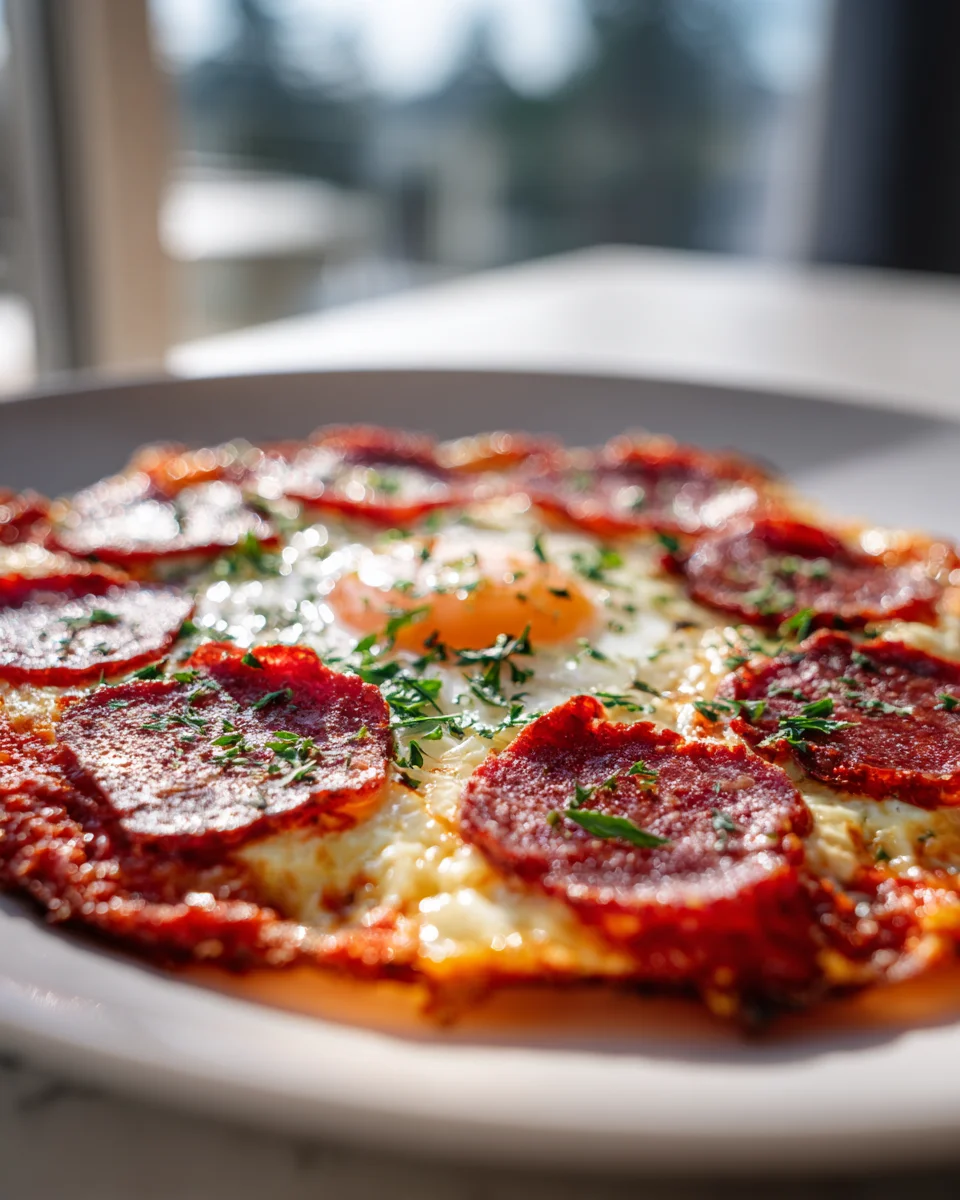
Okay, friends, get ready for a game-changer! I’m talking about Pizza Eggs, and trust me, this isn’t just another breakfast dish – it’s an experience. What makes Pizza Eggs so incredibly special, you ask? Well, it’s the ingenious marriage of two universally loved foods: the comforting, cheesy goodness of pizza and the versatile, protein-packed delight of eggs. I just know you’re going to absolutely adore this recipe because it delivers all the craveable flavors of your favorite pizza in a format that’s perfect for breakfast, brunch, or even a super speedy weeknight dinner. Imagine perfectly cooked eggs (however you like them!), nestled in a flavorful base, generously topped with savory pizza sauce, gooey melted cheese, and all your go-to pizza fixings. It’s comfort food, elevated and simplified, and I promise you, it’s going to become a new favorite in your kitchen!

Ingredient Notes
Oh, you’re in for a treat with Pizza Eggs! This dish is incredibly adaptable, but getting the core ingredients right is key to that delicious, familiar pizza flavor we all crave. Here’s a rundown of what I typically use and some fantastic substitutions I’ve discovered.
- Eggs: Naturally, the star of the show! I usually plan for about 2-3 large fresh eggs per person, depending on appetite. For a richer flavor, free-range eggs are wonderful. Don’t be afraid to use egg whites only if you’re looking for a lighter option, but I find the yolks really contribute to the satisfying texture of these Pizza Eggs.
- Pizza Sauce: This is where much of our pizza magic comes from! I generally reach for a good quality store-bought pizza sauce – something with a nice balance of tomato, herbs, and a touch of sweetness. If I have extra time, a homemade marinara sauce works beautifully too. Just make sure it’s not too watery, as that can make your eggs soggy. As a substitution, a simple tomato paste thinned slightly with a little water or vegetable broth and seasoned with oregano and basil will work in a pinch.
- Cheese: What’s pizza without cheese? Low-moisture mozzarella is my go-to for that classic melty, gooey stretch. However, I often like to mix it up with a blend! A combination of mozzarella with some sharp cheddar, provolone, or even a sprinkle of Parmesan really elevates the flavor. Feel free to use your favorite pizza cheese blend or even a dairy-free alternative if preferred.
- Toppings: This is where the fun truly begins, allowing you to customize your Pizza Eggs!
- Meat Options: I love adding a savory element. Think thinly sliced beef pepperoni, cooked crumbled ground beef sausage, or even leftover cooked ground beef seasoned with Italian herbs. These add a wonderful depth of flavor and texture.
- Vegetables: Don’t skip the veggies! Diced bell peppers (any color!), thinly sliced onions, mushrooms, or black olives are all fantastic choices. I often sauté tougher vegetables like onions and mushrooms briefly beforehand to soften them up and bring out their flavors. Spinach or sun-dried tomatoes also make wonderful additions.
- Herbs & Spices: A sprinkle of dried oregano and basil before serving truly cements that pizza profile. For a little kick, red pepper flakes are always a welcome addition.
- Olive Oil or Butter: For cooking the eggs and sautéing any initial toppings. I prefer good quality extra virgin olive oil for its flavor, but unsalted butter also works beautifully.
- Salt and Pepper: Essential for seasoning the eggs to your taste.
Step-by-Step Instructions
Making Pizza Eggs is incredibly simple and surprisingly quick, making it perfect for a hearty breakfast, a speedy brunch, or even a light dinner. Here’s how I bring this delightful dish to life:
- Prepare Your Toppings: First things first, get all your chosen toppings ready. If you’re using any beef pepperoni or cooked ground beef sausage, have them sliced or crumbled. For vegetables like onions, bell peppers, or mushrooms, dice or slice them thinly. Grate your cheese if it’s not pre-shredded. Having everything prepped and within arm’s reach makes the cooking process smooth and enjoyable.
- Sauté Any Hardier Toppings (Optional but Recommended): In a non-stick skillet (I find an 8-10 inch skillet perfect for 2-3 servings), heat about a tablespoon of olive oil or butter over medium heat. If you’re using ingredients like diced onions, bell peppers, or mushrooms, I highly recommend sautéing them now for 3-5 minutes until they start to soften and become fragrant. If you’re adding beef pepperoni or ground beef sausage, you can briefly cook these now too, just to warm them through and slightly crisp the beef pepperoni. Remove these cooked toppings from the skillet and set them aside.
- Cook the Eggs: Crack your eggs into a bowl, add a pinch of salt and pepper, and whisk them gently until the yolks and whites are just combined. There’s no need to over-whisk; we want a nice texture. If your skillet is dry, add another teaspoon of olive oil or butter and let it melt. Pour the whisked eggs into the hot skillet.
- Set the Egg Base: As the edges of the eggs begin to set, gently push the cooked portions towards the center with a spatula, allowing the uncooked egg to flow underneath. Continue this process until the eggs are mostly set but still slightly moist on top – almost like soft scrambled eggs or a very gently cooked frittata base. You don’t want them completely dry at this stage, as they will continue to cook.
- Assemble the “Pizza” Layer: Now for the fun part! Reduce the heat to low. Spoon your pizza sauce generously over the top of the partially set eggs, spreading it evenly but gently. Next, sprinkle a generous layer of your chosen cheese (mozzarella, a blend, or whatever you prefer) over the sauce. Finally, arrange your prepped toppings – the sautéed vegetables, beef pepperoni, or other favorites – over the cheese.
- Melt and Finish: Cover the skillet with a lid. This traps the heat, allowing the cheese to melt beautifully and the eggs to finish cooking to your desired doneness. I usually let it cook for about 2-4 minutes. Keep an eye on it! You’re looking for completely melted, bubbly cheese and eggs that are set but still tender. If you prefer a slightly runnier yolk (if not whisked fully), you might cover for a shorter time.
- Serve Immediately: Once the cheese is melted and bubbly, and the eggs are cooked through, remove the skillet from the heat. I love to finish my Pizza Eggs with a sprinkle of fresh or dried oregano and basil. You can slide the entire “pizza” onto a plate and cut it into wedges, or simply scoop out individual portions directly from the skillet. Enjoy right away!
Tips & Suggestions
I’ve made Pizza Eggs countless times, and over the years, I’ve picked up a few tricks and discovered some delightful variations that I think you’ll appreciate. This dish is all about flexibility and personal preference!
- Doneness of Eggs: How you like your eggs is entirely up to you. For a firmer, more frittata-like base, let the eggs cook longer before adding toppings. If you prefer a softer, slightly looser scramble under your sauce and cheese, add them sooner. The lid step is crucial for even cooking and a beautifully melted cheese layer, regardless of your preferred egg texture.
- Get Creative with Toppings: This is where Pizza Eggs truly shine! Don’t feel limited to what I’ve suggested.
- Vegetable Power: Try adding finely chopped spinach, artichoke hearts, sun-dried tomatoes, or even a sprinkle of grilled zucchini. Roast some red peppers for an extra layer of sweetness.
- Spicy Kick: For those who love a bit of heat, a dash of red pepper flakes either mixed with the eggs or sprinkled over the finished dish is fantastic. Sliced jalapeños (fresh or pickled) also work wonderfully.
- Herb Garden: Experiment with fresh herbs! A sprinkle of fresh basil, oregano, or even chives at the very end can brighten up the flavors.
- Cheese Blends: Beyond mozzarella, consider adding a touch of smoked gouda, fontina, or even a robust provolone for different flavor profiles. A final grating of fresh Parmesan is always a good idea.
- Single-Serving vs. Family Style: While I often make a larger batch in a 10-inch skillet, Pizza Eggs are perfect for single servings. Just use a smaller 6-8 inch non-stick pan and 2 eggs. It’s a great way to customize each person’s breakfast!
- Serving Suggestions: Pizza Eggs are fantastic on their own, but they also pair wonderfully with a simple green salad for a light lunch or dinner. A slice of crusty bread or some toasted English muffins are perfect for scooping up any extra sauce or cheese. Sometimes I even serve them alongside some crispy breakfast potatoes.
- Avoid Overcrowding: While it’s tempting to load up on toppings, be mindful not to overcrowd your skillet. Too many toppings can prevent the eggs from cooking evenly and make the dish watery, especially if you’re using high-moisture vegetables.
- Seasoning is Key: Don’t forget to season your eggs with salt and pepper before cooking. A little seasoning at each stage (e.g., a pinch of salt on sautéed veggies) builds layers of flavor.
Storage
While Pizza Eggs are definitely best enjoyed fresh, hot, and straight from the skillet, sometimes you might have leftovers, or perhaps you’ve made an extra portion for a quick meal later. Here’s what I recommend for storage and reheating:
- Cool Completely: Before storing, it’s crucial to let your Pizza Eggs cool down completely to room temperature. Placing a hot dish directly into the refrigerator can create condensation, which might make the eggs soggy and encourages bacterial growth.
- Airtight Container: Once cooled, transfer the Pizza Eggs to an airtight container. This will protect them from absorbing other odors in your fridge and help maintain their quality.
- Refrigeration: Stored properly in an airtight container, Pizza Eggs will keep well in the refrigerator for up to 1-2 days. I wouldn’t recommend keeping them much longer than that, as the texture of cooked eggs can deteriorate.
- Reheating:
- Microwave: This is the quickest method. Place a portion on a microwave-safe plate and heat on medium power for 30-60 seconds, or until just warmed through. Be careful not to overheat, as eggs can become rubbery.
- Skillet: For a slightly better texture, especially if you have a bit of time, reheat your Pizza Eggs in a non-stick skillet over low to medium-low heat. Add a tiny splash of water or broth to the pan and cover it to create some steam. This helps to re-moisturize the eggs and melt the cheese again without drying them out. Heat until warmed through, usually 3-5 minutes.
- Freezing: I generally do not recommend freezing Pizza Eggs. Cooked eggs, especially scrambled or gently set eggs, tend to become rubbery and watery once thawed. The texture of the sauce and cheese might also suffer. It’s truly a dish best enjoyed fresh or within a day or two from the fridge.
Final Thoughts
I genuinely believe these Pizza Eggs are about to become a new favorite in your kitchen. It’s truly the best of both worlds, bringing the comforting, savory flavors of pizza together with the hearty goodness of eggs in a way that just makes sense. This isn’t just eggs with a few toppings; it’s a cohesive, incredibly satisfying dish where every bite sings with cheesy, tomatoey delight.
What makes Pizza Eggs a must-try recipe? It’s incredibly quick, satisfying enough for any meal of the day, and brilliantly versatile. Imagine a breakfast that feels indulgent yet comes together in minutes, or a fuss-free dinner that pleases everyone. You can customize it with your favorite veggies, a sprinkle of seasoned beef, and plenty of gooey cheese – it’s your pizza, but in egg form!
So, go ahead and give Pizza Eggs a try. I promise you’ll be delighted by how effortlessly delicious they are. It’s a simple concept that delivers big on flavor and convenience, proving that sometimes, the most unexpected combinations are truly the most brilliant. Enjoy every savory, cheesy bite!

Savory Pizza Eggs: Quick Breakfast with Beef & Cheese
- Total Time: 25 minutes
- Yield: 2-3 servings 1x
Description
Pizza Eggs combine the cheesy goodness of pizza with the protein-packed delight of eggs, making for a delicious breakfast or quick dinner. This dish is customizable with your favorite toppings, ensuring every bite is satisfying and flavorful.
Ingredients
- 2–3 large fresh eggs per person
- Pizza sauce (store-bought or homemade)
- Low-moisture mozzarella cheese
- Sharp cheddar cheese (optional)
- Provolone cheese (optional)
- Parmesan cheese (optional)
- Thinly sliced beef pepperoni
- Cooked crumbled ground beef sausage
- Leftover cooked ground beef seasoned with Italian herbs
- Diced bell peppers (any color)
- Thinly sliced onions
- Mushrooms
- Black olives
- Spinach
- Sun-dried tomatoes
- Dried oregano
- Dried basil
- Red pepper flakes (optional)
- Olive oil or butter
- Salt
- Pepper
Instructions
- Prepare Your Toppings: Get all your chosen toppings ready. Slice or crumble any beef pepperoni or cooked ground beef sausage. Dice or slice vegetables like onions, bell peppers, or mushrooms thinly. Grate your cheese if it’s not pre-shredded.
- Sauté Any Hardier Toppings (Optional but Recommended): In a non-stick skillet, heat about a tablespoon of olive oil or butter over medium heat. Sauté diced onions, bell peppers, or mushrooms for 3-5 minutes until softened. If using beef pepperoni or ground beef sausage, briefly cook these now to warm them through.
- Cook the Eggs: Crack your eggs into a bowl, add a pinch of salt and pepper, and whisk gently until just combined. If your skillet is dry, add another teaspoon of olive oil or butter and let it melt. Pour the whisked eggs into the hot skillet.
- Set the Egg Base: As the edges of the eggs begin to set, gently push the cooked portions towards the center with a spatula, allowing uncooked egg to flow underneath. Continue until the eggs are mostly set but still slightly moist on top.
- Assemble the 'Pizza' Layer: Reduce the heat to low. Spoon pizza sauce over the partially set eggs, spreading it evenly. Sprinkle a generous layer of cheese over the sauce, then arrange your prepped toppings over the cheese.
- Melt and Finish: Cover the skillet with a lid to trap heat and melt the cheese. Cook for about 2-4 minutes until cheese is melted and bubbly, and eggs are set but tender.
- Serve Immediately: Once the cheese is melted and bubbly, remove the skillet from heat. Finish with a sprinkle of fresh or dried oregano and basil. Serve directly from the skillet or slide onto a plate and cut into wedges.
- Prep Time: 10 mins
- Cook Time: 15 mins
- Category: Breakfast
- Method: Cooking
- Cuisine: Italian
Nutrition
- Serving Size: 1 serving
- Calories: 350
- Sugar: 5 g
- Sodium: 600 mg
- Fat: 25 g
- Saturated Fat: 10 g
- Unsaturated Fat: 10 g
- Trans Fat: 0 g
- Carbohydrates: 10 g
- Fiber: 2 g
- Protein: 20 g
- Cholesterol: 300 mg
Keywords: Feel free to customize your toppings based on personal preference. Experiment with different cheeses, vegetables, and herbs to create your perfect Pizza Eggs. Remember to season your eggs with salt and pepper before cooking for added flavor.

Leave a Comment